
Common Lawn Drainage Problems in Celina, TX and How to Fix Them
Identify the root causes of drainage issues and fix them the right way

If you live in Celina, TX, chances are you’ve experienced some type of lawn drainage problem. After a heavy rain, you might notice standing water in your yard, soggy soil that never seems to dry out, or even erosion around garden beds and walkways. These issues are extremely common throughout North Texas, largely due to the region’s clay-heavy soil and unpredictable rainfall patterns.
While drainage problems may seem like a minor inconvenience at first, they can quickly lead to larger issues such as damaged landscaping, unhealthy lawns, mosquito infestations, and even foundation problems around your home. The good news is that most drainage problems can be solved with the right landscaping techniques and drainage systems.
In this guide, we’ll cover the most common lawn drainage problems Celina homeowners face and explain the best ways to fix them.
Why Drainage Problems Are So Common in Celina
Before addressing specific issues, it helps to understand why drainage problems happen so frequently in this region.
North Texas soil is predominantly dense clay, which behaves very differently from sandy or loamy soil. Clay soil absorbs water slowly and tends to compact over time, especially in newer neighborhoods where construction equipment has already compressed the ground.
Because of this, water often:
- Pools on the surface instead of soaking into the soil
- Moves slowly across yards after storms
- Gets trapped in low spots or uneven grading
- Causes prolonged saturation around foundations and landscaping beds
Combined with heavy thunderstorms that can drop several inches of rain in a short period of time, these conditions make drainage planning essential for Celina homeowners.
Problem 1: Standing Water in the Yard
One of the most obvious drainage issues is
standing water, which appears as puddles that remain in your yard for hours or even days after rainfall.
What causes standing water?
Standing water usually occurs when:
- Soil is compacted and cannot absorb moisture
- The yard has low spots where water collects
- Clay soil slows drainage
- There is insufficient slope directing water away
If puddles remain longer than 24–48 hours, the lawn can suffer from root rot and fungal diseases.
How to fix it
There are several effective solutions:
Lawn aeration
Aeration creates small holes in compacted soil, allowing air and water to penetrate deeper into the root zone.
French drains
These underground systems collect water and redirect it away from problem areas.
Regrading the yard
Adjusting the slope of your property allows water to naturally flow away instead of pooling.
Professional landscapers often combine these methods to achieve long-term results.
Problem 2: Water Near Your Home’s Foundation
Water collecting near your home’s foundation is a serious issue that should never be ignored. Excess moisture can eventually lead to foundation shifting, cracks, and costly structural damage.
Warning signs include:
- Water pooling near the base of your home
- Damp soil or erosion around the foundation
- Cracks in exterior brick or concrete
- Mold or mildew inside the home
Solutions for foundation drainage
The goal is to
move water away from the house quickly and efficiently.
Common solutions include:
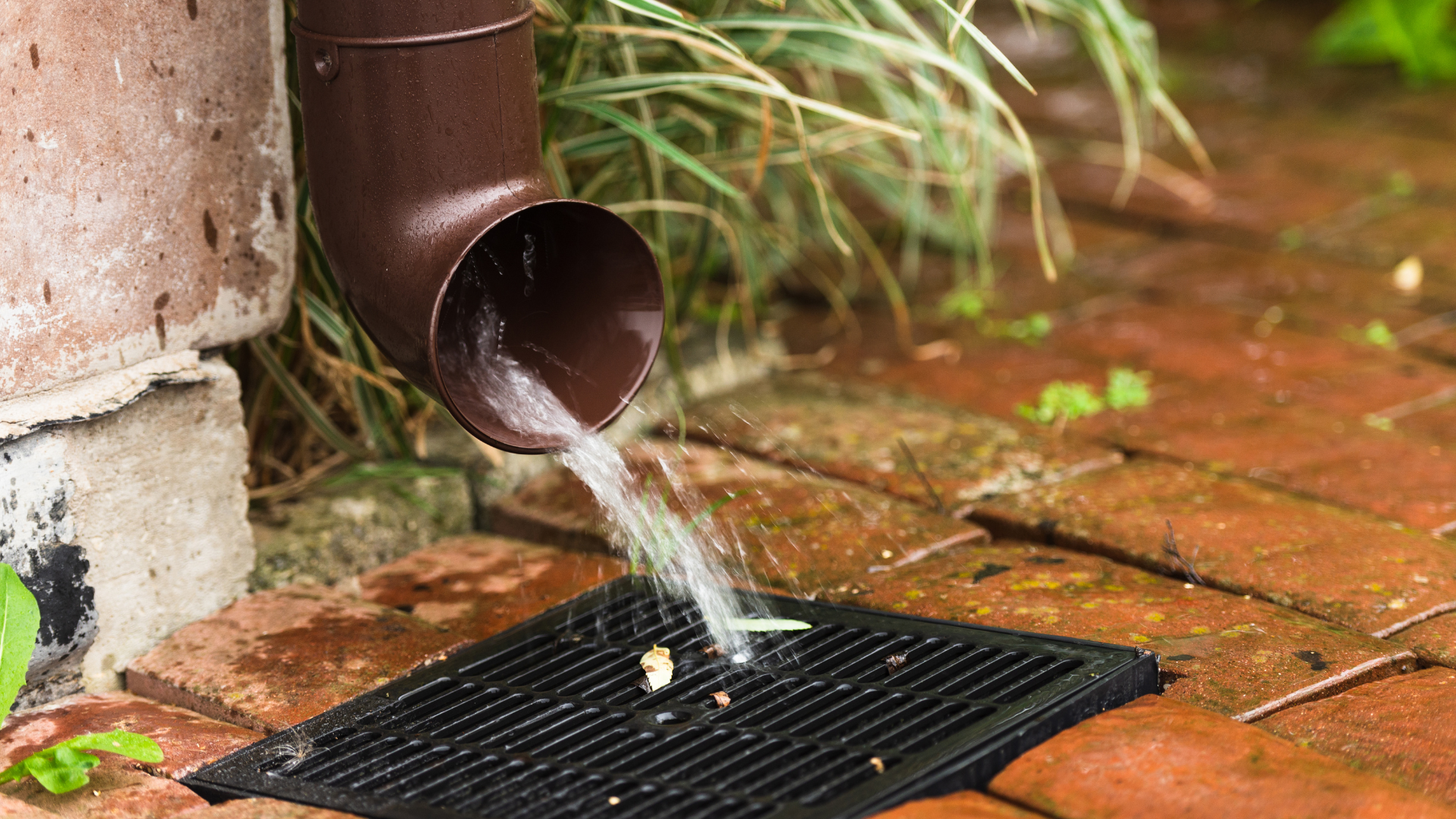
Downspout extensions
These carry roof runoff further away from the home.
Surface drains or catch basins
These collect water near the house and direct it to drainage pipes.
French drains along the perimeter
These intercept groundwater before it reaches your foundation.
Addressing foundation drainage early prevents long-term structural issues.
Problem 3: Erosion in Garden Beds and Landscaped Areas
Another common issue in Celina yards is
soil erosion, especially in landscaped areas with mulch or newly planted beds.
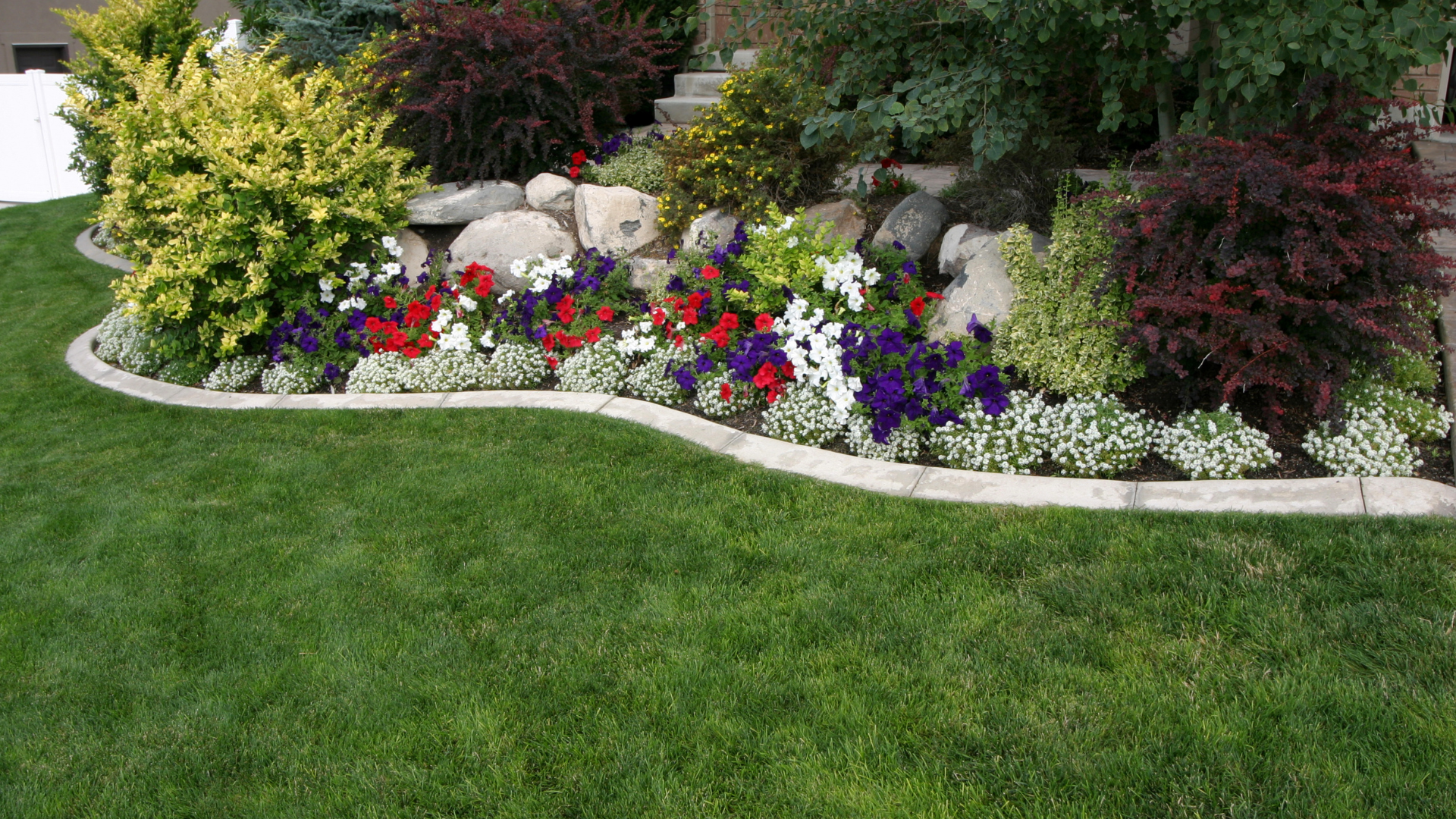
During heavy rainstorms, water may wash mulch, soil, and even plants downhill or out of garden beds.
Causes of erosion
Erosion typically occurs when:
- Beds are placed on slopes without stabilization
- Soil is exposed without mulch or ground cover
- Water runoff flows through planting areas
How to prevent erosion
Professional landscapers often use a combination of the following solutions:
Mulch application
Mulch helps hold soil in place and absorbs excess water.
Retaining walls
Stone or block retaining walls prevent soil movement on slopes.
Ground cover plants
Deep-rooted plants help stabilize soil over time.
Dry creek beds
These decorative rock channels guide runoff through your landscape safely.
When designed correctly, these features not only prevent erosion but also enhance the visual appeal of your yard.
Problem 4: Soggy Lawns That Never Dry
Some lawns feel permanently wet, even when it hasn’t rained recently. This is another common issue in areas with clay soil.
Why this happens
Water becomes trapped in the soil due to:
- Compacted ground
- Lack of underground drainage
- Poor soil composition
When this occurs, grass roots struggle to access oxygen, leading to thinning turf and unhealthy lawns.
Solutions
Several techniques can restore proper soil balance:
Core aeration
This breaks up compacted soil and allows air to circulate.
Topdressing with compost or sand
Adding organic material improves soil structure and drainage.
Installing subsurface drainage systems
French drains or perforated pipes remove excess groundwater.
These improvements allow grass roots to grow deeper and healthier.
Problem 5: Water Runoff From Neighboring Properties
In rapidly growing neighborhoods like those found throughout Celina, grading changes from new construction can redirect water flow from neighboring properties into your yard.
This often leads to:
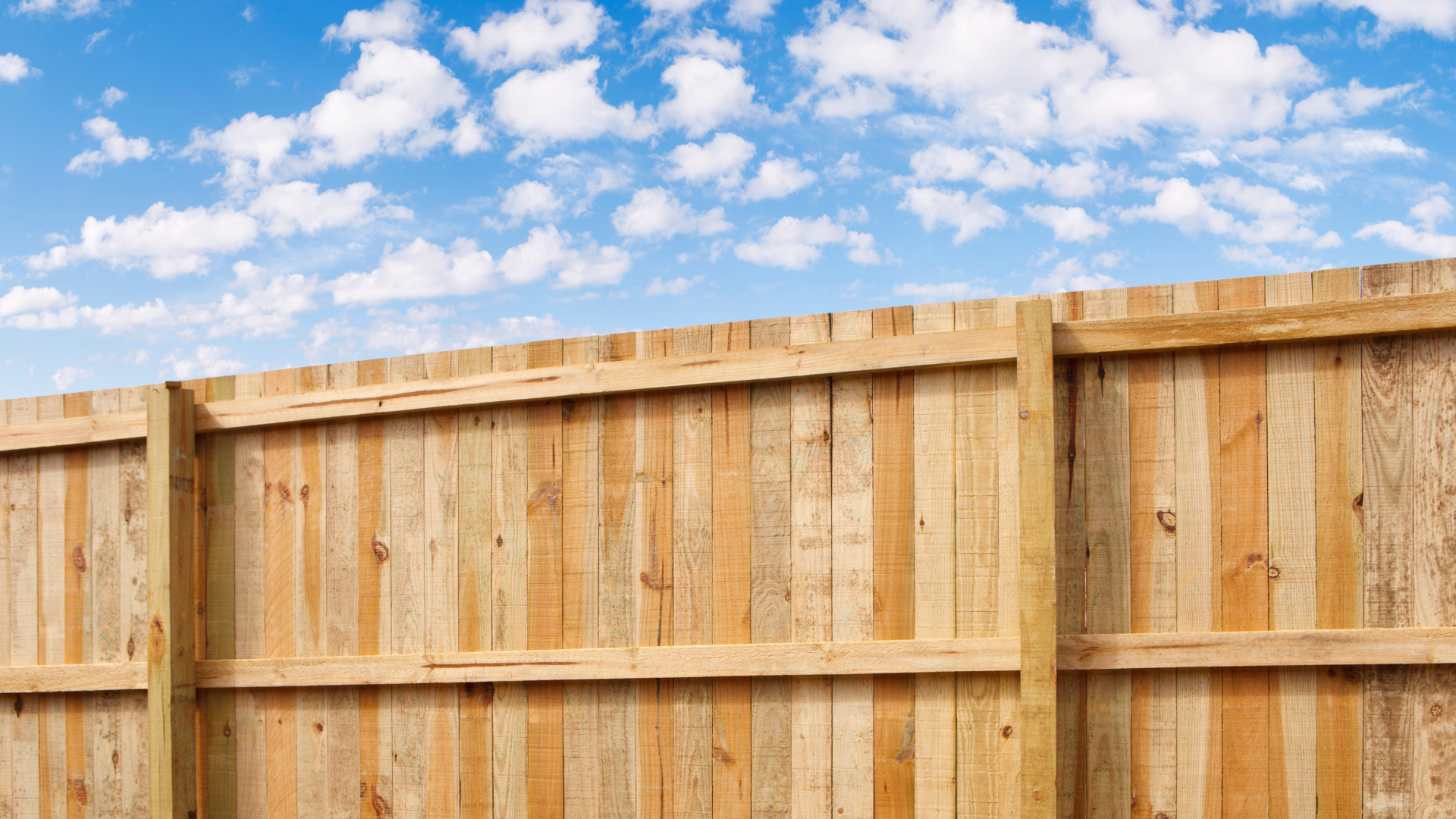
- Flooding along fence lines
- Water collecting in side yards
- Erosion or turf damage near property boundaries
Drainage strategies for shared property lines
Several options can manage incoming runoff:
Swales
Shallow grassy channels that redirect water safely across your property.
Channel drains
Installed near patios or driveways to intercept flowing water.
Drainage trenches with gravel
These collect runoff and transport it away from problem areas.
Proper planning ensures water flows through your yard without damaging it.
The Importance of Professional Drainage Design
While some small drainage issues can be solved with DIY methods, many problems require professional evaluation.
A landscaping professional can assess:
- Soil type and compaction levels
- Yard elevation and slope
- Existing irrigation systems
- Runoff patterns during storms
- Nearby structures or landscaping features
From there, they can recommend the right combination of grading, drainage systems, and landscaping improvements to solve the problem permanently.
At Celina Home Services, drainage evaluations are a key part of our landscaping process because we understand how important proper water management is for North Texas properties.
Preventing Future Drainage Issues
Once drainage problems are corrected, ongoing maintenance helps prevent them from returning.
Helpful practices include:
- Aerating lawns annually to reduce soil compaction
- Keeping gutters and downspouts clean
- Refreshing mulch to protect soil structure
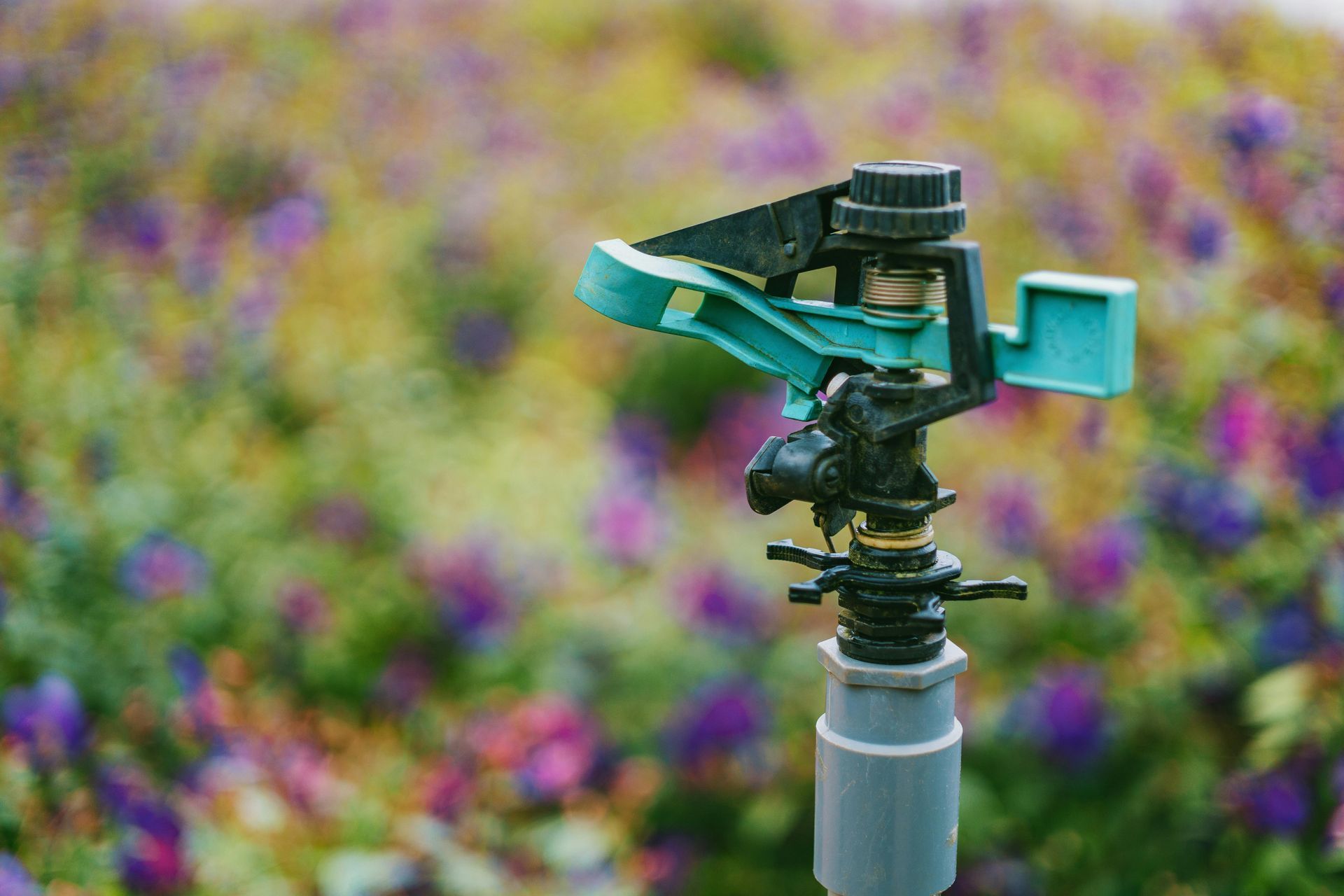
- Monitoring irrigation systems for leaks or oversaturation
- Maintaining proper grading around patios, fences, and walkways
These simple steps help ensure your yard continues to drain properly through every season.
Frequently Asked Questions About Lawn Drainage
How do I know if my yard has a drainage problem?
Common signs include standing water, soggy grass, erosion in garden beds, or water pooling near your foundation after storms.
What is the best drainage solution for clay soil?
French drains and proper grading tend to work best for clay-heavy soils because they redirect water instead of relying on absorption alone.
Can poor drainage damage my lawn?
Yes. Excess moisture can suffocate grass roots, encourage fungal diseases, and cause turf to thin or die.
How much does yard drainage repair cost?
Costs vary depending on the solution. Minor fixes may cost a few hundred dollars, while larger drainage installations can range from $1,500 to $6,000 or more depending on complexity.
Do drainage systems require maintenance?
Most systems require minimal maintenance, but occasional inspections ensure pipes, drains, and outlets remain clear of debris.
Professional Drainage Solutions in Celina, TX
If your lawn struggles with standing water, erosion, or poor drainage, professional landscaping solutions can restore your yard and protect your property.
Celina Home Services provides drainage solutions specifically designed for
North Texas soil conditions, including French drains, grading improvements, and landscape drainage systems. Our team evaluates each property individually to determine the most effective approach for long-term results.
Celina Home Services
16412 Garden Dr., Celina, TX 75009
Phone:
(484) 954-7169
Email:
celinahomeservices@gmail.com
Business Hours: Monday–Friday, 9:00 AM – 6:00 PM
Serving Celina, Prosper, Gunter, and surrounding North Texas communities with professional landscaping, hardscaping, fencing, irrigation repair, and drainage services.