
French Drain vs Surface Drainage: What Works Best in Celina?

Drainage problems are a common—and serious—issue for homeowners in
Celina, TX and surrounding North Texas areas. From heavy spring storms to clay-heavy soil that holds water, poor yard drainage can lead to standing water, soggy lawns, foundation damage, and mold growth.
Two of the most common solutions are
French drains and
surface drainage systems, but how do you know which is right for your property?
In this post, we’ll compare French drains vs surface drainage systems, explain how each works, and help you determine the best option for your yard.
Why Drainage Matters in Celina, TX
Celina’s dense
clay soil makes it difficult for water to absorb quickly, especially during rainstorms. Combine that with flat or poorly graded yards, and you’ve got a recipe for:
- Water pooling near your foundation
- Dead patches in your lawn
- Erosion in garden beds
- Slippery walkways and muddy patios
- Mosquito breeding grounds
Drainage problems are more than just annoying—they can damage your home’s structure and decrease your property’s value. That’s why it’s important to address them with a properly designed drainage solution.
What Is a French Drain?
A
French drain is a subsurface drainage system designed to
collect and redirect water away from low-lying areas or your home’s foundation. It consists of:
- A gravel-filled trench
- A perforated pipe at the bottom of the trench
- A drainage outlet or connection to stormwater systems
Water flows into the trench, filters through the gravel, enters the pipe, and is carried away from your home or problem area.
Benefits of French drains:
- Excellent for
managing groundwater and slow seepage
- Hidden underground for a
clean look
- Protects home foundations from water buildup
- Reduces soil saturation in problem areas
French drains are especially helpful in yards with clay soil, where surface water tends to pool and linger.
What Is Surface Drainage?
Surface drainage involves visible systems that move water
across the surface of your lawn, driveway, or patio. These systems are designed to capture fast-moving stormwater and direct it to safe drainage zones or collection basins.
Common surface drainage features include:
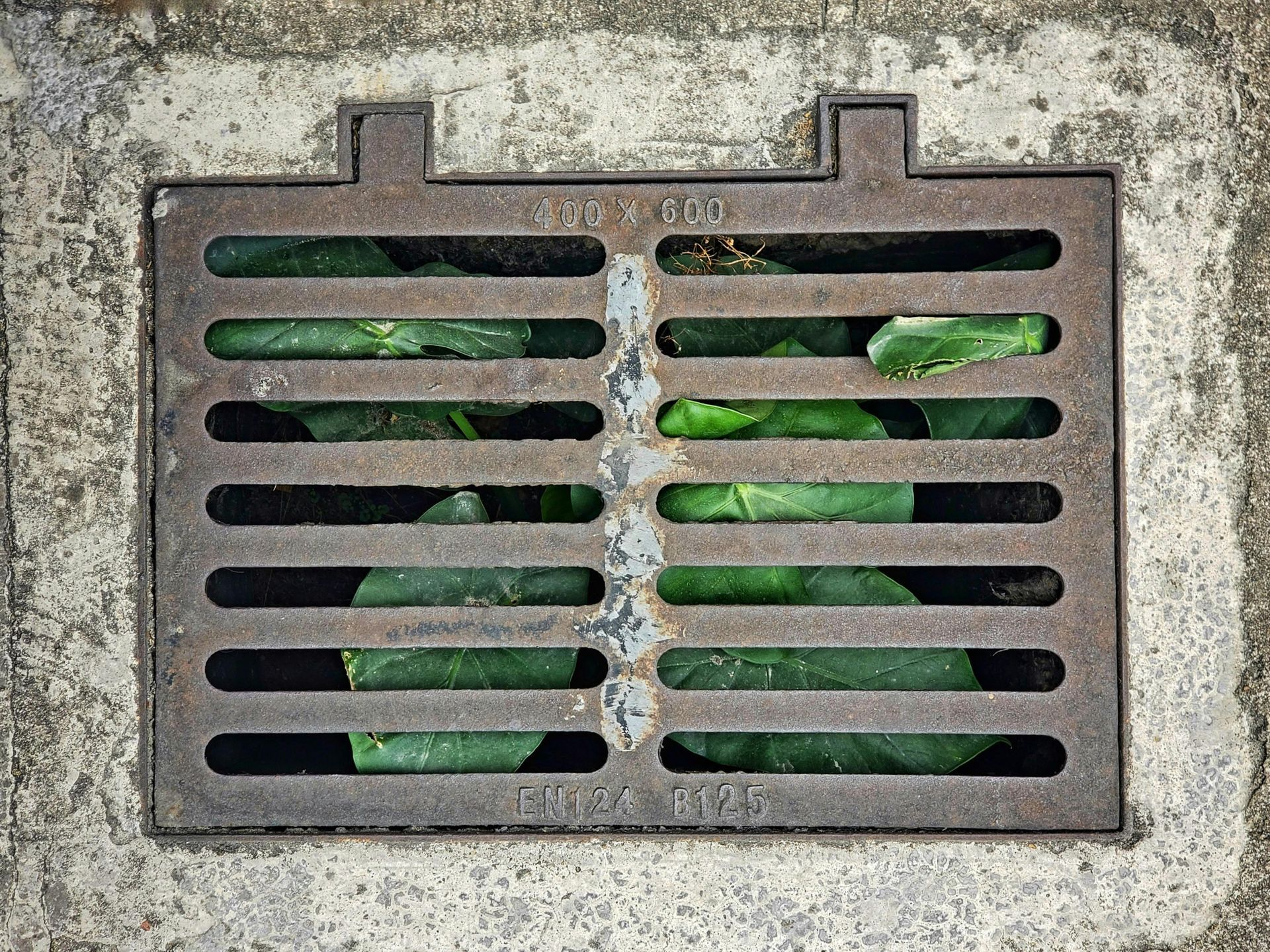
- Catch basins or yard drains
- Channel or trench drains (especially around patios or driveways)
- Swales (shallow grassy ditches)
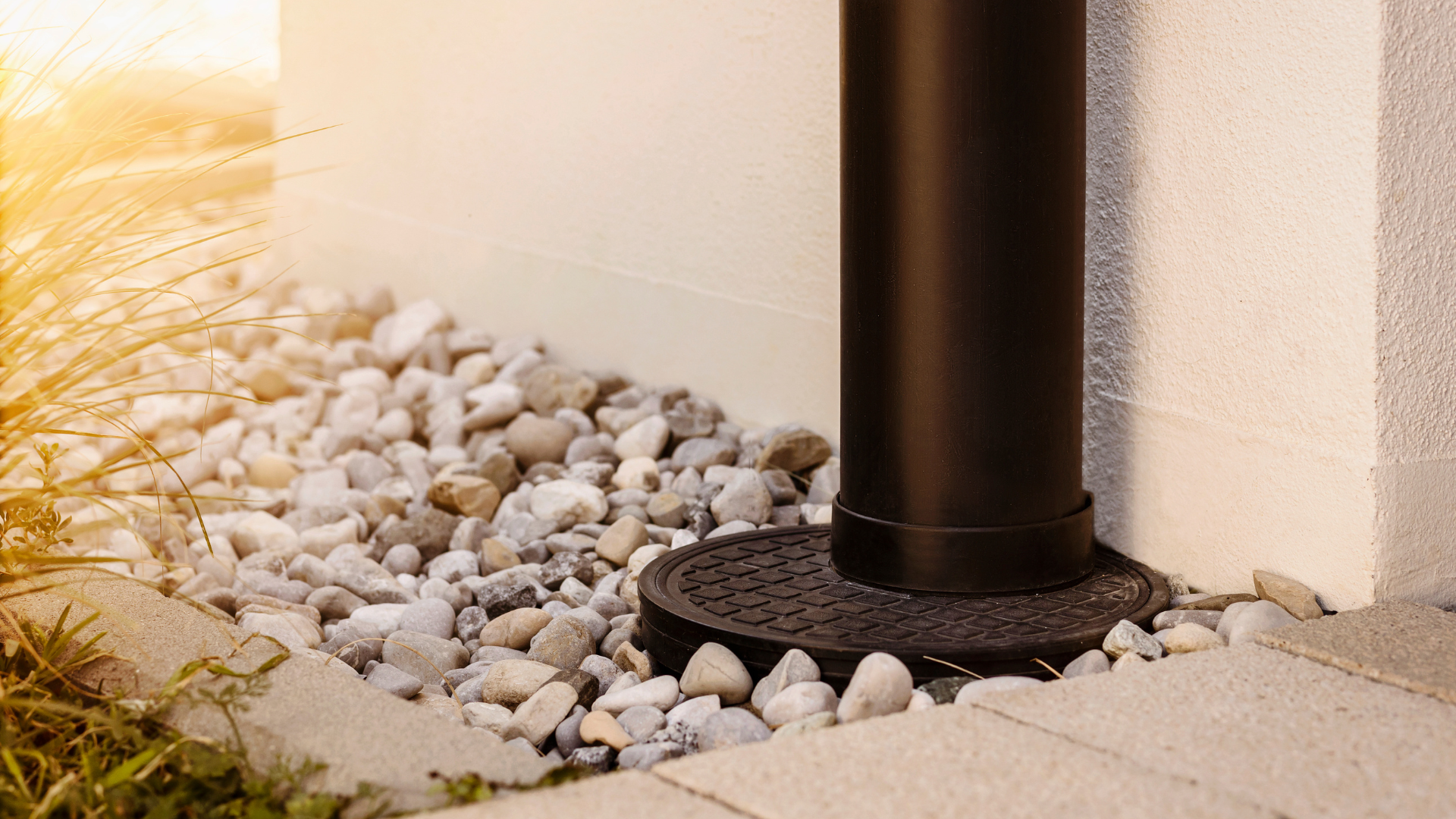
- Downspout extensions
Benefits of surface drainage:
- Ideal for
quick removal of heavy rainwater
- Easy access for maintenance
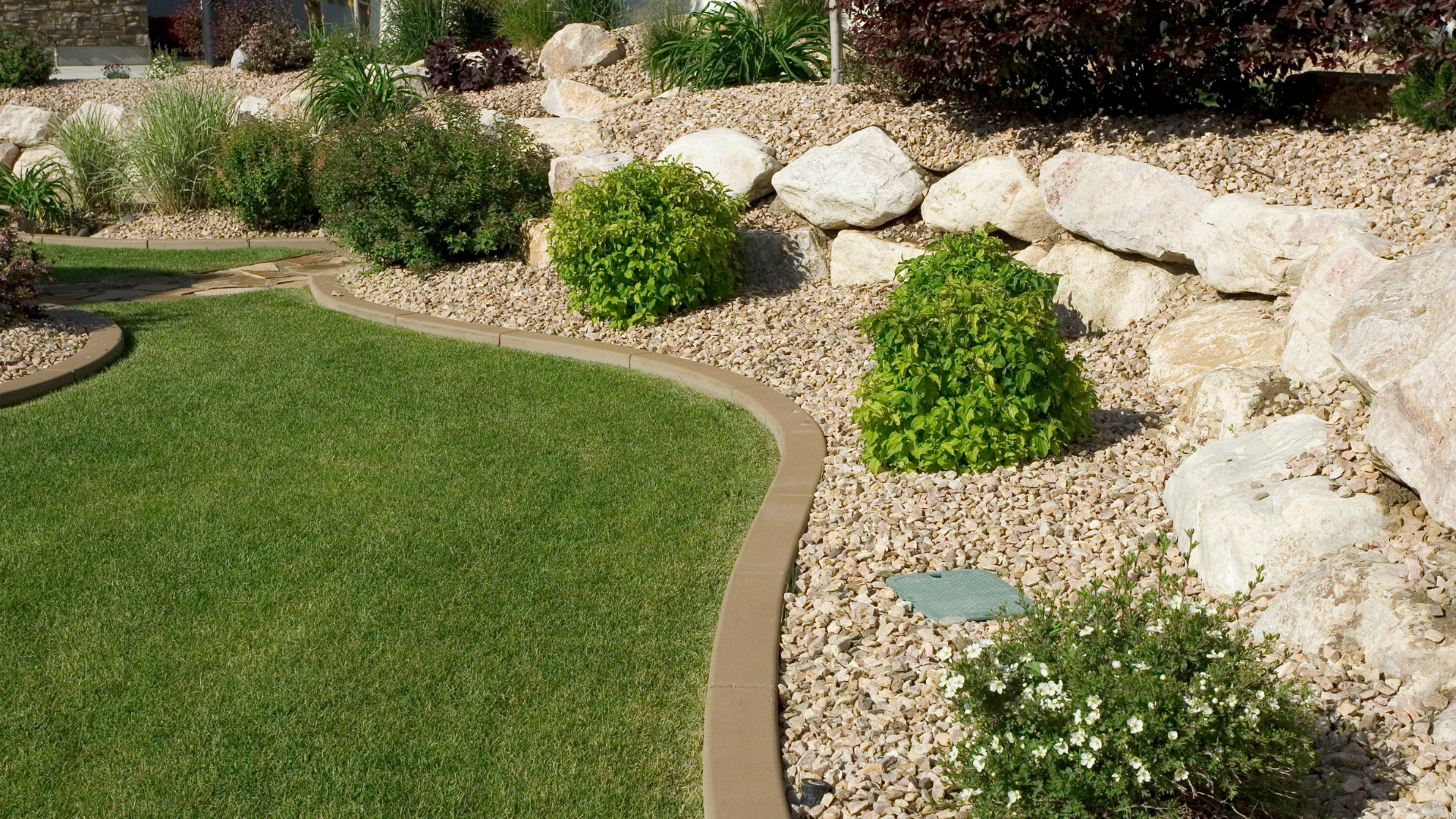
- Can be designed to enhance landscaping (e.g., dry creek beds)
- Helps
prevent flooding in heavy storms
Surface drainage is typically used in areas with visible water flow, such as sloped yards, driveways, or patios with improper grading.
French Drain vs Surface Drain: Key Differences
| Feature | French Drain | Surface Drainage |
|---|---|---|
| Location | Below ground (subsurface) | Above ground (visible or shallow) |
| Best for | Groundwater and soggy soil areas | Fast surface runoff from storms |
| Appearance | Hidden, clean finish | May involve grates or swales |
| Maintenance | Minimal, but harder to access | Easy access for cleaning |
| Installation cost | Moderate to high (excavation needed) | Moderate, depending on materials |
| Works well in clay soil? | Yes | Yes, especially when paired with grading |
Both systems can solve drainage problems—but the right solution depends on the
type of water issue you're facing.
Which Is Best for Your Celina Property?
Choose a French Drain if:
- Your yard stays soggy days after it rains
- You have
groundwater seepage near your foundation
- Water is saturating your lawn rather than running off
- You need a discreet, underground solution
- You have garden beds or mulch areas that flood and rot
French drains work especially well in flat yards or areas where water slowly collects and has nowhere to go.
Choose Surface Drainage if:
- You get
fast, heavy surface runoff during storms
- Water flows off your roof, driveway, or patio
- Your property has a slope that channels water improperly
- You need a
cost-effective fix for an isolated area
- You want to integrate a visual feature like a dry creek bed
Surface drainage systems are often paired with hardscaping or landscaping upgrades to direct water into safe, controlled paths.
Can You Combine Both?
Absolutely. In fact, many properties in Celina benefit from a
hybrid approach.
For example:
- Install
surface drains to capture water quickly from downspouts and patios
- Use a
French drain system to collect slow-draining water in your lawn or garden
- Add
grading or swales to guide water away from your home and toward safe runoff zones
A combination system ensures that both surface and subsurface water is managed properly—protecting your home, lawn, and foundation.
What About Grading?
Sometimes, drainage issues are caused by
improper slope or elevation around your home. In these cases, drainage systems alone won’t be enough.
Professional
land grading may be needed to:
- Adjust slope for water flow
- Prevent runoff toward the house
- Direct water toward drains or safe areas
At Celina Home Services, our drainage evaluations always include grading assessments to ensure your solution works long-term.
FAQs About Drainage in Celina, TX
How much does it cost to install a French drain?
French drains typically range from
$1,500 to $6,000 depending on trench length, soil conditions, and accessibility. Complex installations near foundations may cost more.
Will a French drain fix standing water?
Yes—if the standing water is caused by
subsurface saturation or slow drainage. If the problem is fast-moving runoff, a surface system may be more effective.
How do I know if I need drainage work?
Common signs:
- Water pooling near your foundation or in low spots
- Soggy lawn that doesn't dry after a day or two
- Water flowing toward your home during storms
- Mold, mildew, or cracking near your foundation
- Erosion or mulch washout in flower beds
If you're seeing any of these, it’s time for a
professional drainage inspection.
Are French drains maintenance-free?
Mostly—but we recommend:
- Inspecting annually for blockages
- Flushing systems every few years if accessible
- Keeping inlets and outlets clear of debris
Can I install a French drain myself?
While DIY kits exist, professional installation is strongly recommended, especially in clay soil. Improper slope, poor backfill, or blocked pipes can make things worse.
Get Expert Drainage Help from Celina Home Services
At
Celina Home Services, we specialize in diagnosing and solving yard drainage problems in
Celina, Prosper, Gunter, and nearby North Texas communities. Our experienced team installs both
French drains and surface drainage systems designed specifically for
clay soil, sloped lots, and storm-prone areas.
We handle everything from inspection to design, excavation, installation, and cleanup—so you don’t have to guess what’s going on beneath the surface.
Schedule a Free Drainage Assessment Today
Phone:
(484) 954-7169
Email:
celinahomeservices@gmail.com
Facebook:
https://www.facebook.com/celinahomeservices
Service Area: Celina, TX and surrounding North Texas neighborhoods